
In the historical calendar of the Incan Empire, September was recorded by chroniclers like Felipe Guamán Poma de Ayala as Coya Raymi Quilla, the feminine sacred month of the Qoya (the Incan queen or principal wife of the Sapa Inca).

Far from being a mere spectator or decorative figure, historical records and recent scholarship reveal that the Qoya held immense political, ceremonial, and social power within the dual governance structure of the Tahuantinsuyu.
As spring arrives, Qoya Raymi offers us a profound cosmological lens: inviting us to contemplate the feminine not as passive softness, but as an active, generative principle of relationship, authority, and balance.
Redefining the Feminine: Authority, Not Passivity
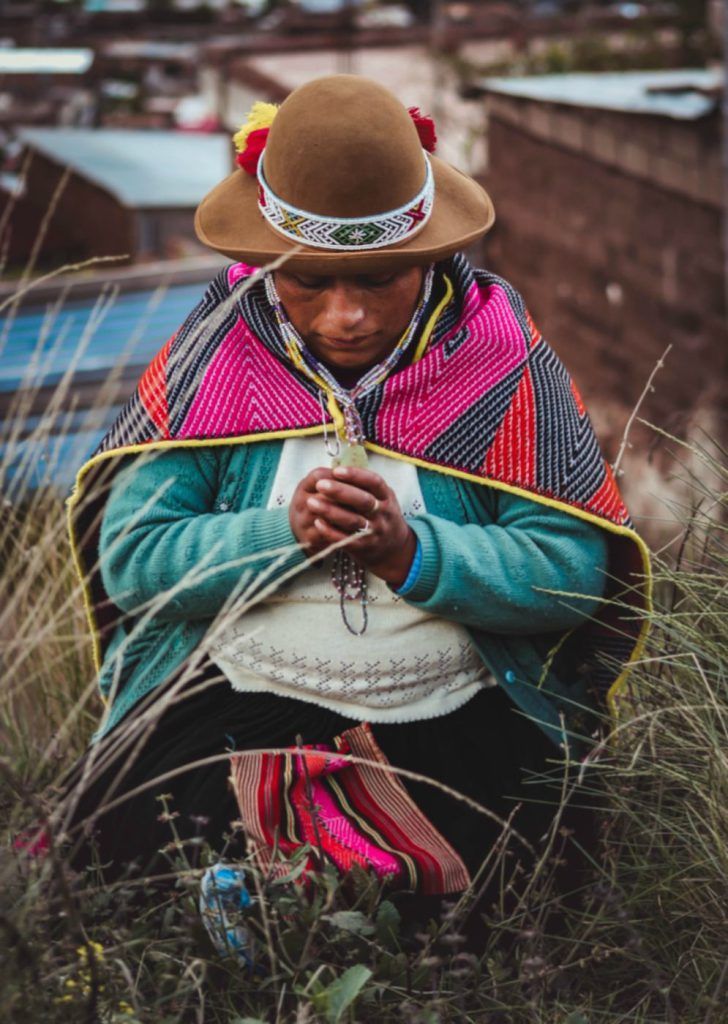
In many Western traditions, the feminine is frequently reduced to passive nurturance or gentleness.
However, in Andean cosmology, the feminine sphere, embodied in Pachamama, Mama Killa, and the historical Qoya, expresses immense structural strength, relational responsibility, and the capacity to govern the unseen forces of life.
The feminine principle receives, holds, transforms, and releases. It is the soil that digests the seed, the moon that regulates the tides, and the wisdom that maintains harmony across human and spiritual communities.
During this seasonal shift, embracing the feminine means honoring our capacity to hold space for growth without forcing it.
It asks us to balance outward action with internal receptivity, ensuring our active endeavors remain grounded in deep care and relational awareness.
The Lunar Mirror – Cycles of Presence and Absence
Historical sources consistently tie Qoya Raymi to the moon. Guamán Poma’s illustrations highlight September as a time when women led major ceremonial purifications (Citua) to clear illness and disharmony from the land before the planting season.
The Rhythms of Mama Killa
Unlike the constant, direct heat of the sun, the moon offers a dynamic, rhythmic image of power:
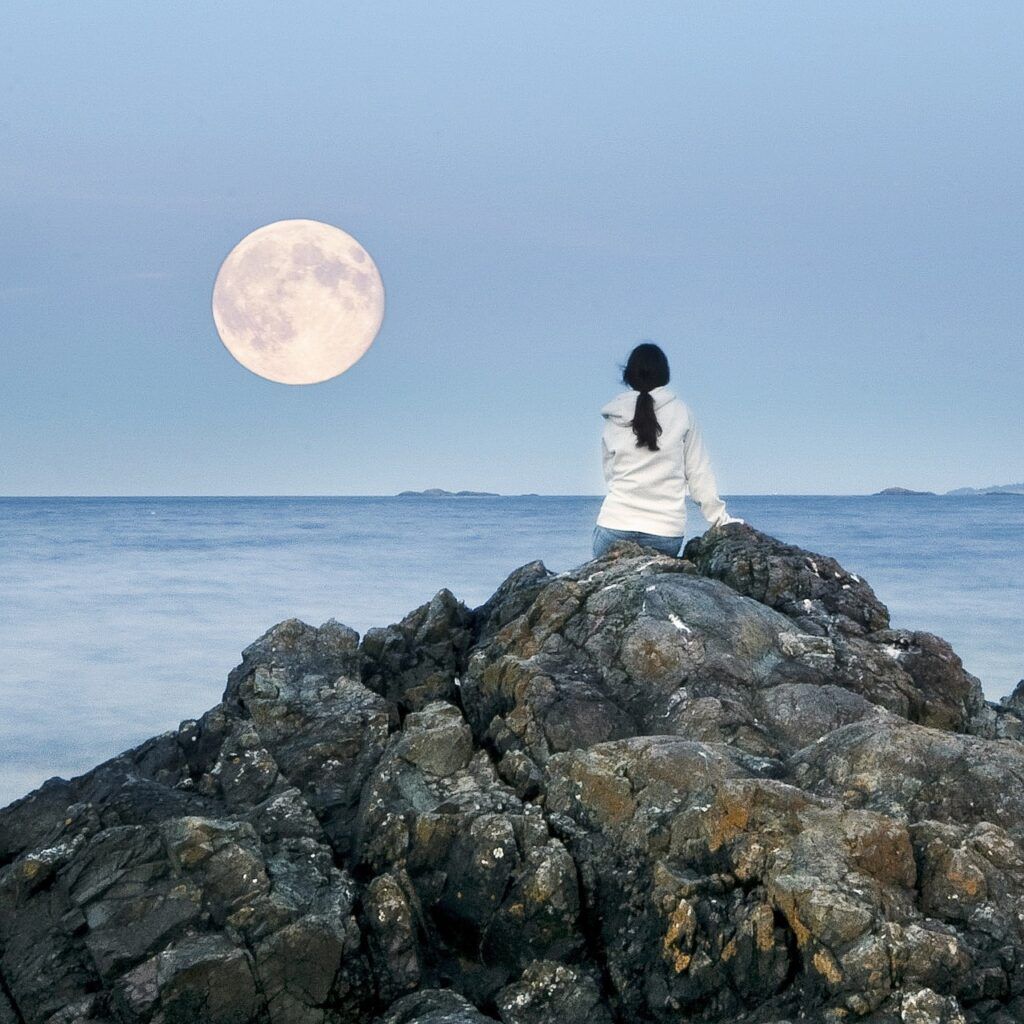
- The Waxing Phase: Gathering light, building internal momentum, and preparing the soil of consciousness.
- The Full Moon: Unveiling hidden truths, celebrating peak expression, and illuminating complex emotional landscapes.
- The Waning Phase: Retreating inward, releasing what no longer serves, and resting in subterranean stillness.
Working with the feminine means trusting these natural cycles. You do not need to be in constant, visible expansion. Like the moon, your power remains intact even when you are gathering yourself in the dark.
“The moon does not apologize for changing her shape every night. Her strength lies in her willingness to move through every phase without losing her connection to the sky.”
The Spring Equinox – Relational Balance in Practice
The September equinox marks a brief, delicate moment where day and night reach equal length. In modern spiritual interpretation, this balance is not a static endpoint, but a dynamic threshold, a moment to realign how we interact with the world around us.
Living Reciprocity (Ayni) through the Feminine
Within the oral tradition transmitted by indigenous lineages, such as the Apaza family, the feminine is experienced as a living relationship. It is the capacity to listen deeply to the land, receive life’s offerings with genuine gratitude, and maintain Ayni with all living beings.
As spring unfolds, this principle reminds us that true abundance cannot be taken by force, it must be welcomed through right relationship, care, and respectful stewardship.
The Vocabulary of September
- Qoya: The Incan queen; the living representative of the feminine principle and cosmic order in the Tahuantinsuyu.
- Mama Killa: Mother Moon; the celestial entity governing time, water, cycles, and women’s spiritual health.
- Qoya Raymi: The historical September festival honoring the Qoya, lunar cycles, and the purification of the land before spring planting.
Sites of Feminine Power
To honor the feminine principle during September, two sacred sanctuaries around Cusco offer profound historical and energetic connections:
- The Moon Temple (Templo de la Luna / Amaru Machay): Carved out of a massive natural rock outcrop near Cusco, this ancient cave site features carved stone altars designed to capture moonlight, serving as a historic sanctuary for lunar and feminine initiation.
- Iñaq Uyu (The Palace of the Virgins on Lake Titicaca): Situated on the Island of the Moon (Isla de la Luna), this impressive Incan stone complex was dedicated to women’s ceremonial life, textile arts, and sacred governance.

References
- Baulenas i Pubill, A. (2025). El Coya Raymi y la esfera de poder femenino en el incanato. Chungará (Arica), 57, 26.
- Guamán Poma de Ayala, F. (2001) [ca. 1615]. The First New Chronicle and Good Government.
- Allen, C. J. (2002). The Hold Life Has: Coca and Cultural Identity in an Andean Community (2nd ed.).
- Urton, G. (1981). At the Crossroads of the Earth and the Sky: An Andean Cosmology. University of Texas Press.