
In the high altitudes of the Andes, the wind is not merely movements of air, they are living intelligences that speak to the soul. The ancient peoples of Tawantinsuyu understood that to live in harmony with the cosmos meant to live in alignment with the Four Directions:
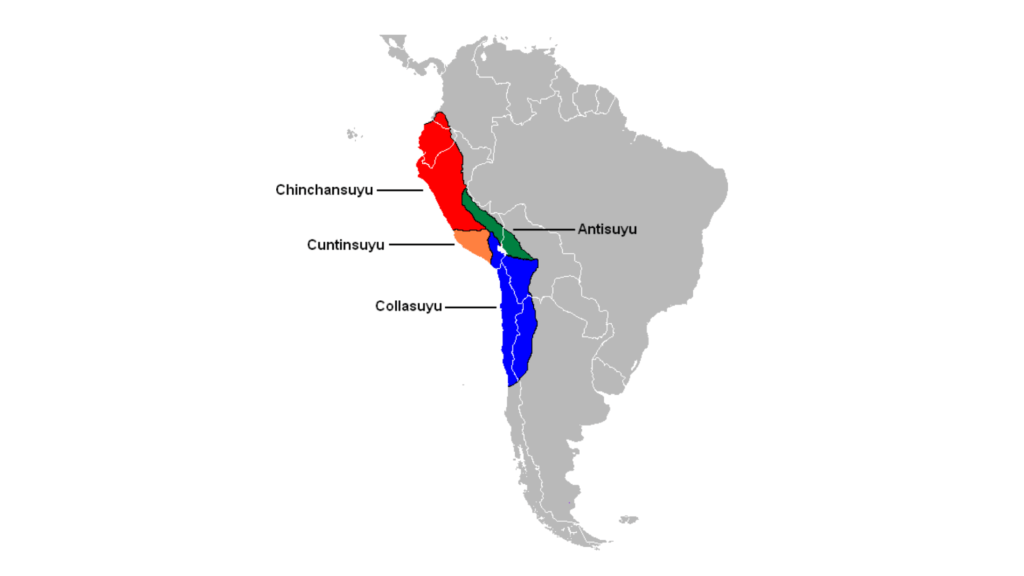
The Living Map of Energy
The Andean worldview, sees the universe as a web of living energy, Kawsay, that flows through all beings.
The Four Directions are not external points on a map, but currents of consciousness moving through the human body, the landscape, and the subtle worlds.

When one aligns with these winds, life becomes a dance of equilibrium: we stop moving in opposition to nature and begin moving with her.
Each direction corresponds not only to a physical space but also to an element, animal ally, and energetic principle. Together, they represent the wheel of transformation, from birth to death, from ignorance to wisdom, from separation to unity.
Chinchaysuyu – The North Wind: Power and Expansion
The North, or Chinchaysuyu, is the wind of courage, purpose, and mastery.
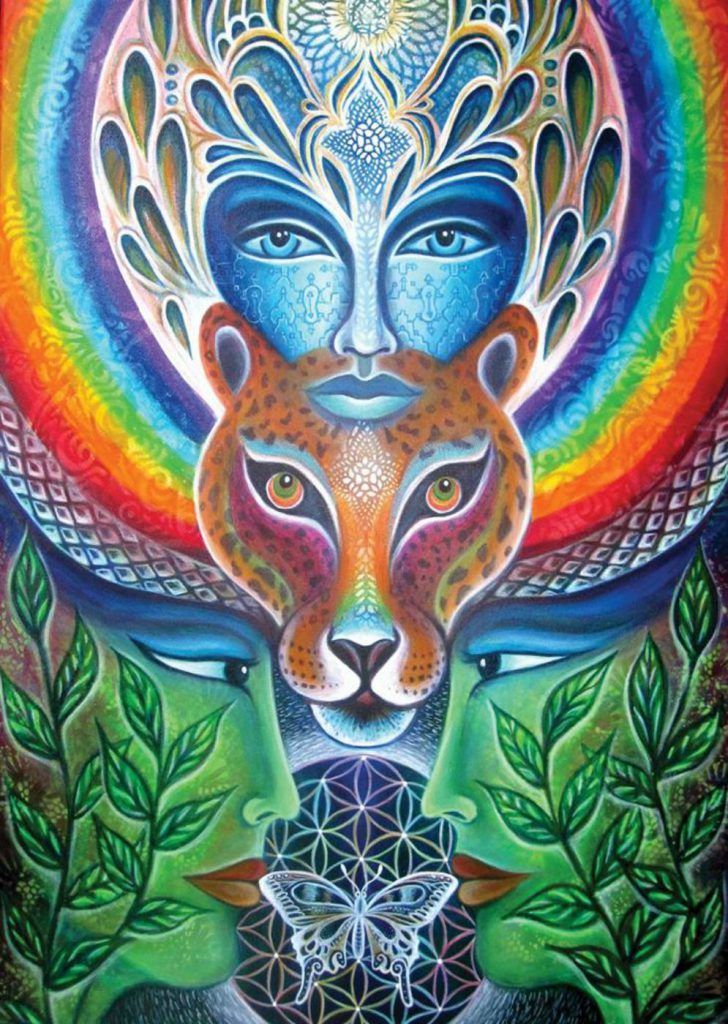
Its animal ally, the jaguar, teaches the strength of walking with integrity and presence. This is the energy of becoming who we truly are, powerful yet humble, aware of the responsibility that true strength carries.
Energetically, the North invites us to refine our personal power into service.
It whispers: “Use your gifts for the greater harmony of life.”
It is where the healer steps beyond ego to embody right action, known as Yanapayay, the act of helping without attachment. When we lose connection with the North, power turns into dominance; when we honor it, power becomes love in motion.
Antisuyu – The East Wind: Vision and Illumination
The East, or Antisuyu, greets the rising sun. It represents new beginnings, illumination, and clarity of purpose.

The condor soars here, carrying prayers between Kay Pacha and Hanan Pacha. The East teaches us to see from a higher perspective, to rise above confusion and glimpse the larger pattern of life.
Energetically, it activates Yachay, the wisdom of the higher mind. Through the East we learn to see with the heart, not only with the intellect. Its light awakens inner vision, the capacity to perceive the sacred design in everything. This is the wind that reminds us that every ending is a dawn in disguise.
Qollasuyu – The South Wind: Healing and Trust
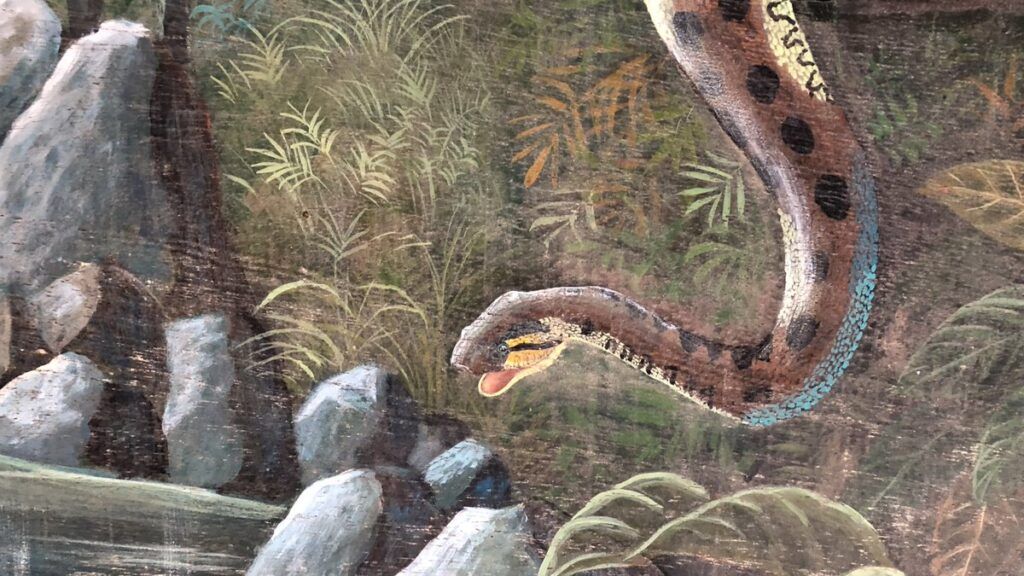
To the South, or Qollasuyu, belongs the serpent, symbol of transformation, grounding, and release. The South is the direction of healing, it teaches us to shed the past as the serpent sheds its skin. Its energy is soft yet powerful, calling us back to the wisdom of the body and the Earth.
The South corresponds to Munay, the energy of unconditional love. It teaches trust, not blind faith, but deep surrender to the intelligence of life.
When we breathe with the South wind, we let go of the old narratives that keep us small.
We remember that love is not sentiment, but a frequency that restores wholeness. This is the wind of forgiveness, gratitude, and belonging.
Kuntisuyu – The West Wind: Death and Renewal
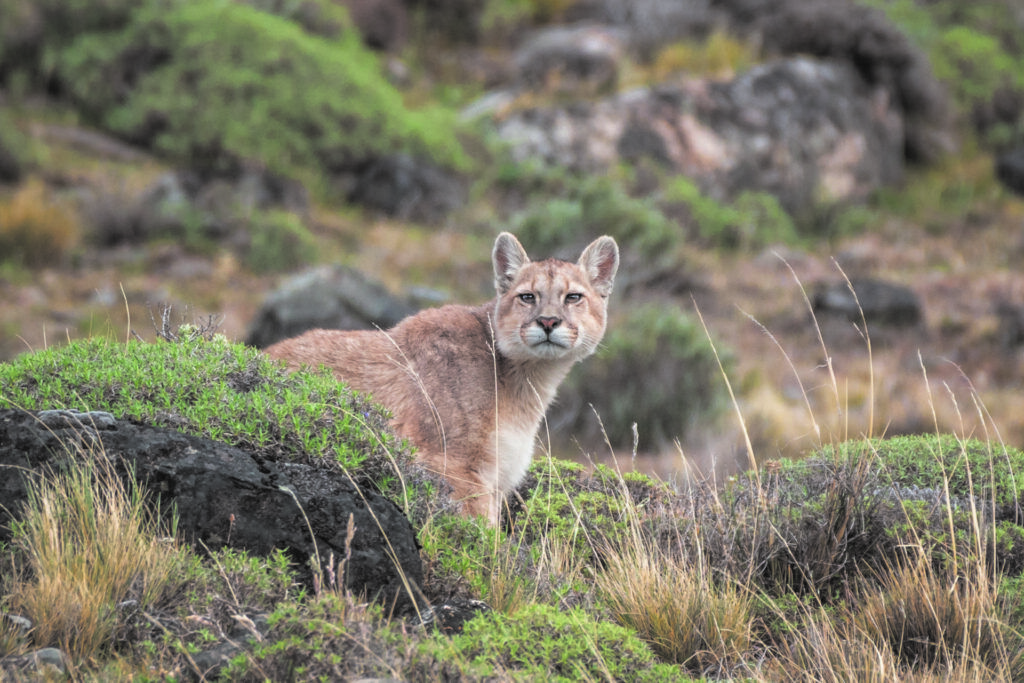
The West, or Kuntisuyu, is the domain of the puma, guardian of endings and beginnings. Here we meet the mystery of death, not as loss, but as transformation. The setting sun invites us to turn inward, to confront the shadows we avoid. The West teaches that death is a sacred passage: every cycle must close for another to begin.
Energetically, this direction relates to Llankay, the principle of sacred action through service. It asks us to align our deeds with spirit and to honor impermanence. The West reminds us that letting go is not weakness; it is the act that allows light to return. Through surrender, we become reborn into greater clarity and purpose.
The Center: The Heart as Axis Mundi
In Andean cosmology, the center, the point where all directions meet, is the heart, or Sonqo. When we are centered in the heart, we are aligned with all winds simultaneously. The Andean priest, or Paqo, stands in this place of stillness, becoming a bridge between worlds. The heart transforms knowledge into wisdom, power into compassion, and action into sacred offering.
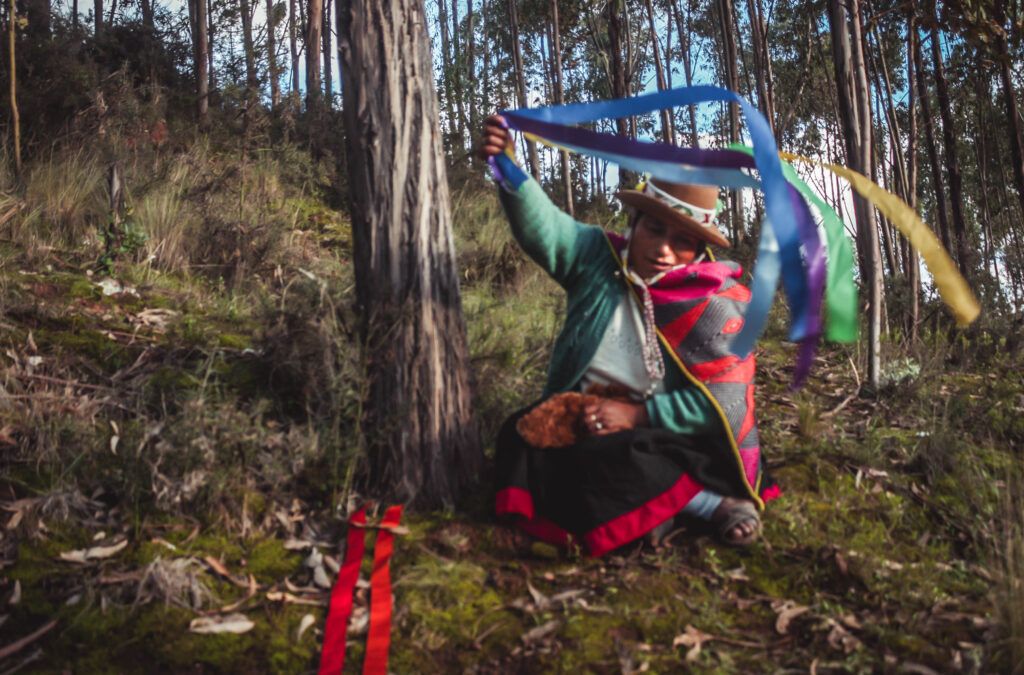
When we lose direction, we feel fragmented. When we remember the winds, we rediscover our belonging within the great circle of life. To live in balance with the winds of the Andes is to live as a child of Pachamama, humble, awake, and in love with the mystery of being alive.
References
- Allen, Catherine J. (2002). The Hold Life Has: Coca and Cultural Identity in an Andean Community. Smithsonian Institution Press.
- Bastien, Joseph W. (1985). Mountain of the Condor: Metaphor and Ritual in an Andean Ayllu. Waveland Press.
- Medrano, Ricardo. (2010). Cosmovisión Andina y Sabiduría Ancestral. Editorial San Marcos.
- Inca Medicine School Teachings, oral tradition of Andean Paqos.