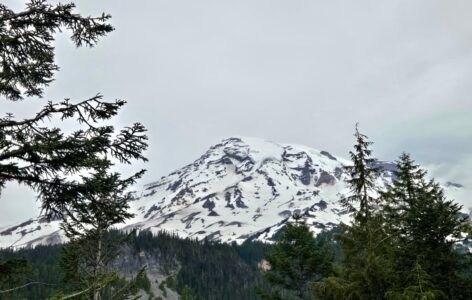
As the final hours of May 31st slip away, a quiet gravity settles over the high peaks of the Andes. The frantic collective energy of the harvest (Aymuray) has completely ceased. Farmers lock the granaries, frost makes the mountain paths slick, and the night sky displays a field of stars so sharp that it looks like fractured glass. This is the night of the Ch’inisqa, the midnight vigil of the final threshold. It is the moment when the practitioner stops looking back at what was gathered and instead turns inward to face the great, purifying silence of the oncoming winter.
The Alchemical Sealing of the Astral Accounts at Midnight
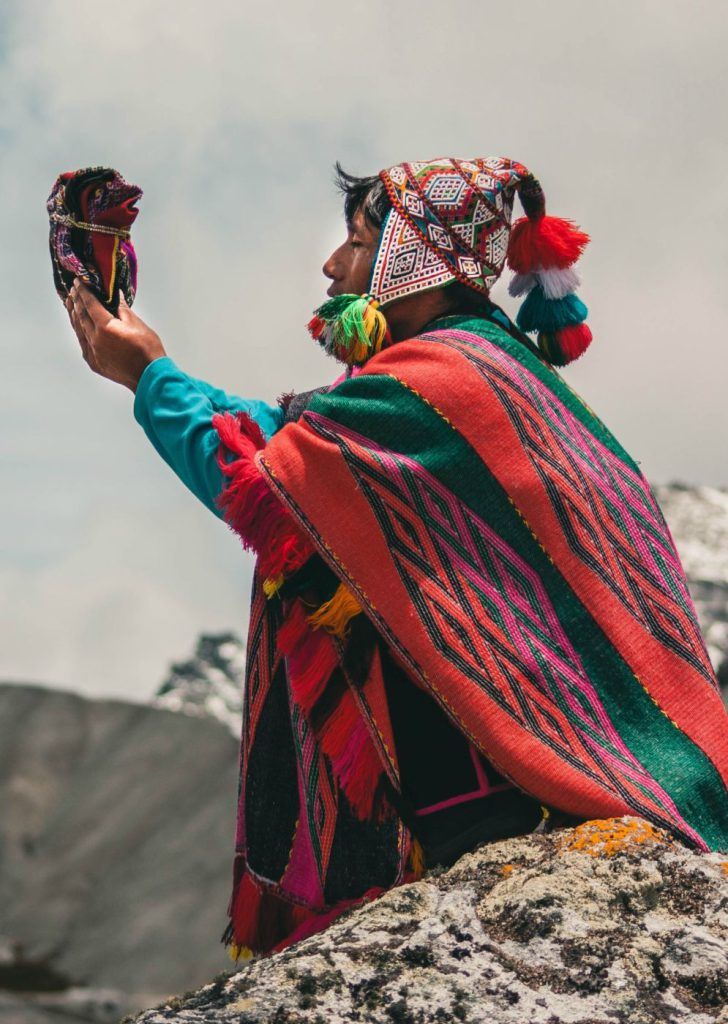
In the transpersonal psychology of the Andean path, the final night of May opens a temporal vacuum, a sacred pause between the exhalation of autumn and the deep inhalation of the winter solstice.
During this midnight vigil, the Paqo practices Allchay, which means to store, protect, and seal.
This is not just about placing corn in a physical warehouse; it is the spiritual act of closing your energetic books.
Over the past month, we have broken down our psychological shadows with the Ukuku, offered our gratitude through the Despacho, and allowed the severe cold (Chiri) to strip away our superficial pretenses.
Tonight, all of those lessons are compressed into a single seed of pure consciousness. We seal this seed deep within our internal Uku Pacha, knowing that it must survive the darkness of June before it can sprout anew.
MAY 1st: EXPANSION
Gathering the outer fruits, celebrating the material harvest.
MAY 31st: CONTRACTION
Storing the inner wisdom, facing the sacred winter silence.
The Breath on the Mirror of the Peak
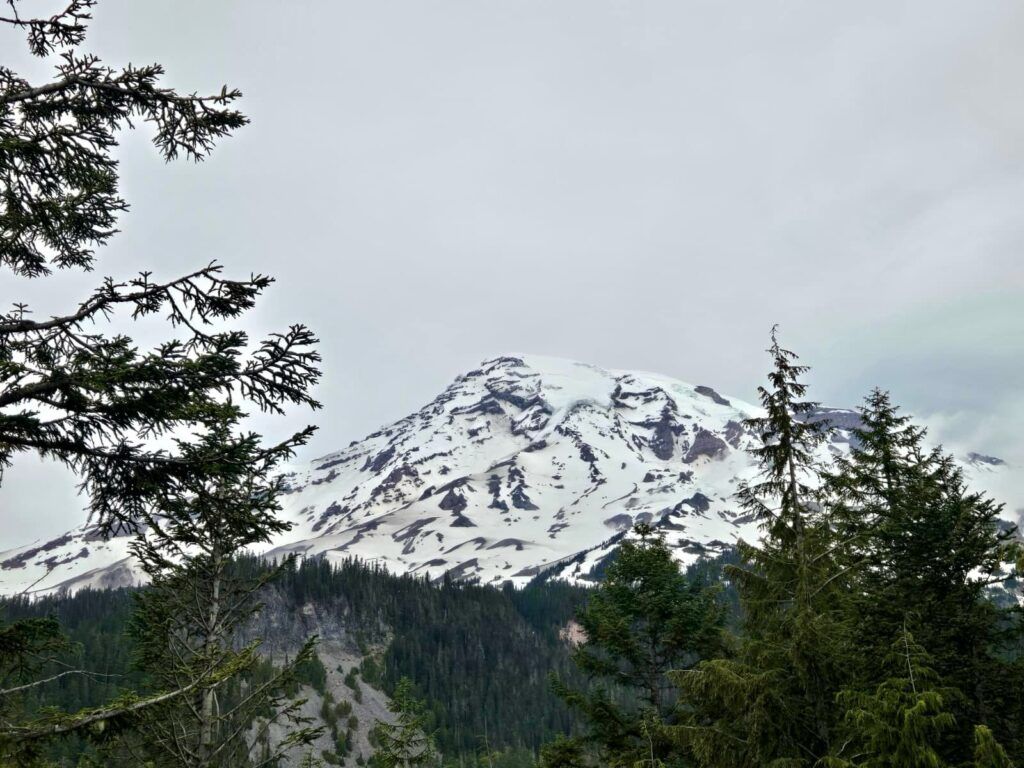
The central ritual of this final night is the Samay Samincha, the refinement of the breath. Sitting in absolute silence, away from artificial light and heat, the practitioner watches their own breath condense into white mist in the freezing night air. In the Andes, this visible breath is seen as the physical manifestation of your Kallpa (inner vital force).

By consciously breathing out over your ritual stone (Khuyapacha) or toward the nearest Apu, you are transferring the refined wisdom you acquired during May into the permanent memory of the landscape. You are acknowledging a profound truth: your individual life is a brief, beautiful conversation with the eternal stone.
“The harvest is over. The earth has given everything, and now she owes us nothing. On this final night, we do not ask for anything more. We simply sit in the dark, breathe with the mountain, and thank the cold for making us real.”
— The Last Code of the Incan Masters
The Language of the Midnight
- Allchay: To store with care, respect, and spiritual intent. It is the practice of protecting your inner victories.
- Ch’inisqa: Silent, still, or hushed. This describes the ideal state of the human mind during the final night of May.
- Tukuynin: The end, completion, or culmination of a cycle. It carries the nuance that every end contains the energetic blueprint of a new beginning.
The Altars of the Final Night
To experience the absolute stillness of the May threshold, these locations serve as profound energetic anchors:
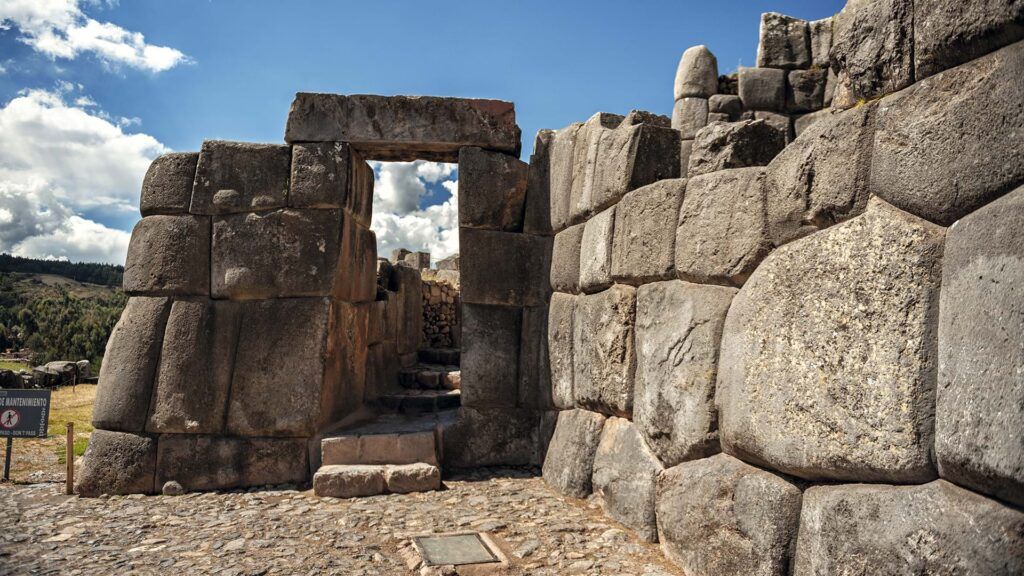
- The Amphitheater of Sacsayhuamán: At midnight on May 31st, the massive limestone structures of this sanctuary sit in complete, eerie silence. Standing in the center of the grand plaza allows you to feel the immense pressure of the mountain air pressing down, forcing your mind into an instant state of meditative stillness.
- The Inka Bridge of Ollantaytambo: Suspended over the rushing Vilcanota River, this location provides a striking contrast between the unyielding, frozen stone of the cliffs and the continuous, low roar of the water below, the perfect physical metaphor for a mind that remains fluid inside a freezing world.
References
- Cobbo, B. (1990). Inca Religion and Customs (R. Hamilton, Trans.).
- Eliade, M. (1954). The Myth of the Eternal Return: Cosmos and History.
This article draws on both academic literature and oral, lineage-based Andean knowledge. Teachings that originate from living traditions are cited in recognition of their ongoing transmission within Andean communities, while scholarly sources are used to support contextual interpretation.