logo im

When Apus Speak

Posted on

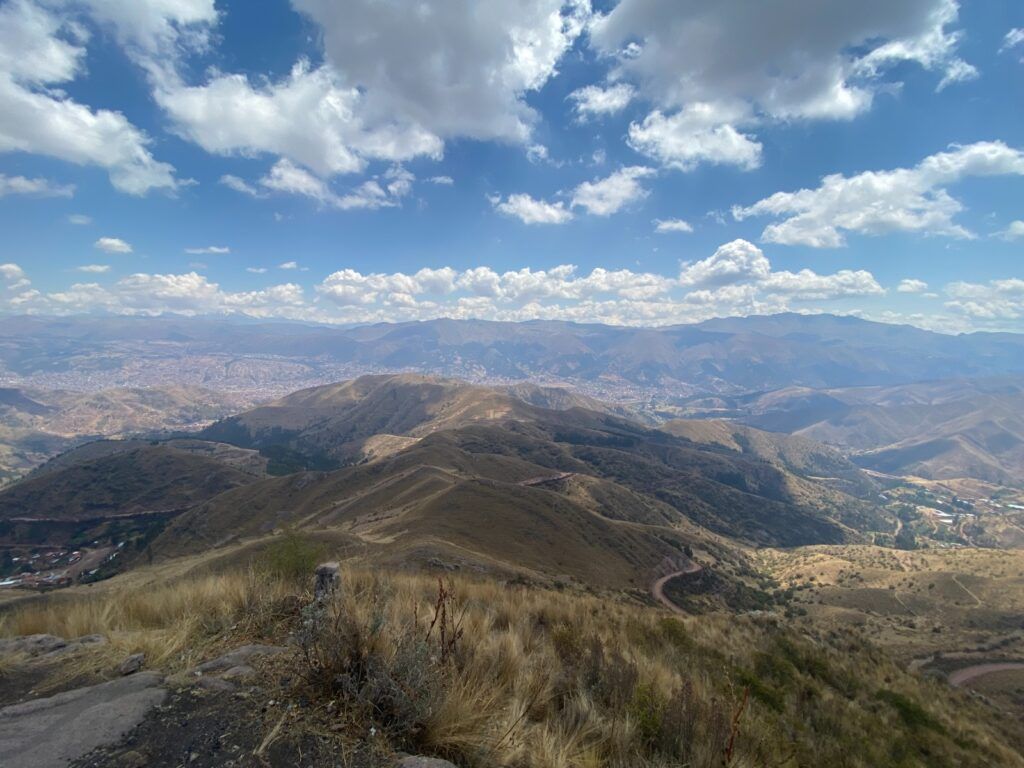
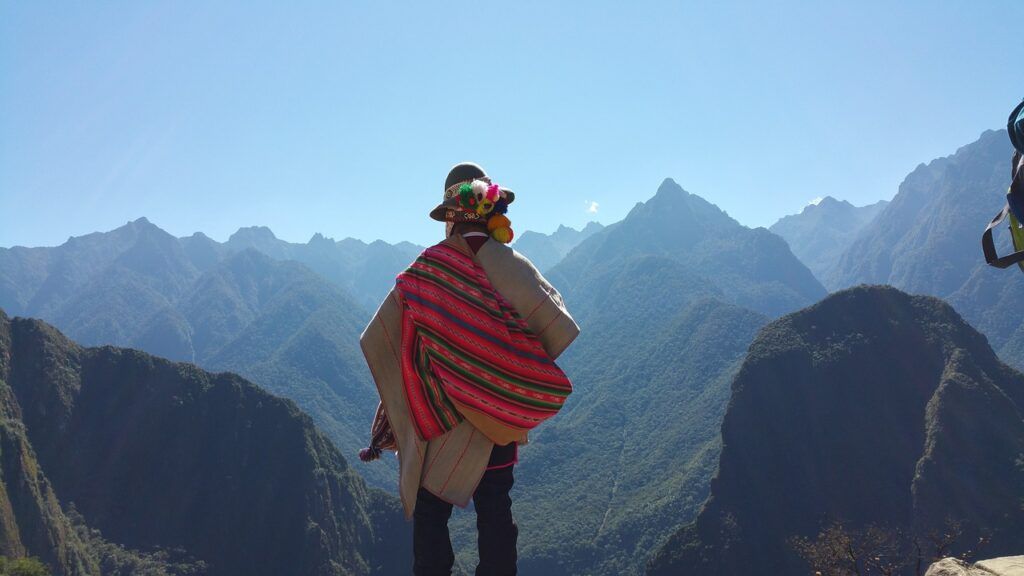
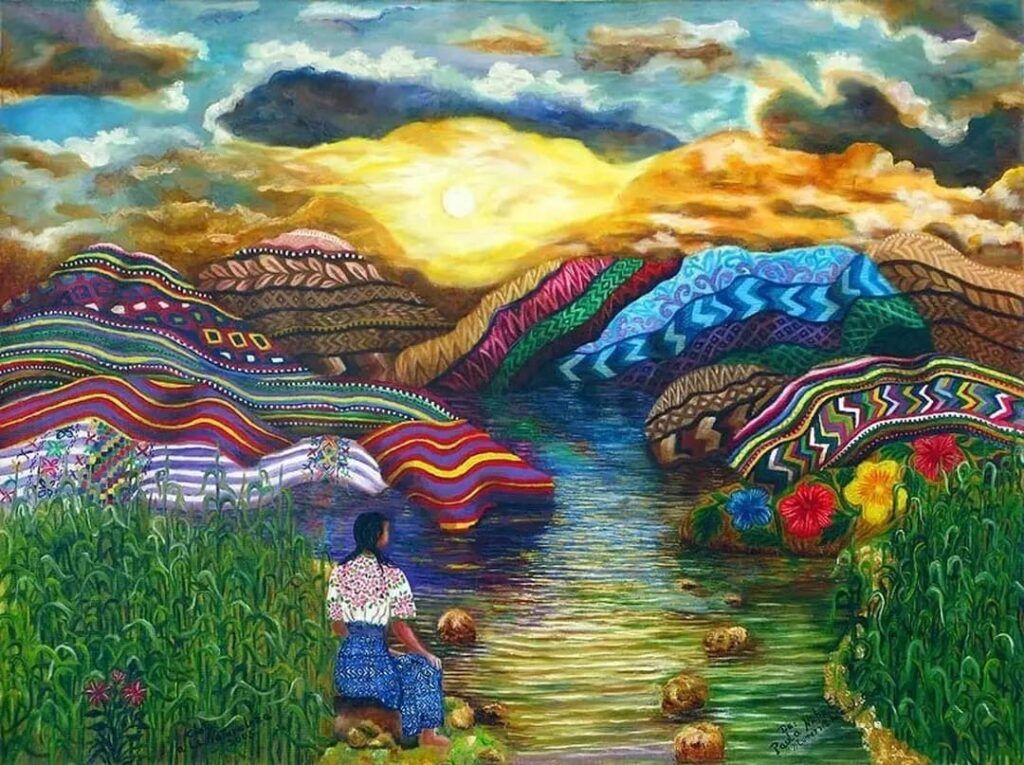
Mountains are not symbols in the Andes, they are beings. Known as Apus, these sacred mountains are protectors, teachers, and carriers of ancestral memory. But the deepest secret is this: every person has an inner Apu, a mountain spirit within the psyche that holds courage, vision, and grounding.

They are the spirits of the mountains and physically inhabit them.

To listen to the mountains is to listen to yourself.

The Apus as Living Consciousness

From Cusco to Ausangate, communities interact with mountains as elders. Anthropologists describe the Apu as a “sentient landscape” (Allen, 2002), but in lived Andean experience, the Apu is more than sentient, it is relational.

Your connection to an Apu is a relationship of ayni, a mutual exchange of protection and devotion.

Apus transmit:

  • Guidance
  • Stability
  • Strength during transitions
  • The remembrance of who you are

Hearing the Apus Within

Silence is the language of the mountains. To listen to your inner Apu, you must slow your breath and feel your bones. In Andean teachings, the bones are where ancestral memory sleeps. Through stillness, these memories awaken.

Signs your inner Apu is speaking:

  • A sudden clarity when facing a decision
  • A firm “no” or “yes” that rises from the body
  • An inner pull toward responsibility or truth
  • The feeling of being “held” or supported

The mountain within speaks in intuition, not analysis.

Ritual Practices

  1. Sitting with a Mountain
    You don’t need to climb. Simply sit in its presence, offer a small despacho of gratitude, and listen.
  2. Stone Meditation
    Hold a stone (called rumi) and breathe your question into it. Ask the Apu to answer through sensation or silence.
  3. Walking as Prayer
    Walk slowly, allowing each step to be a conversation with the earth.

Why Mountains Heal

The mountains reflect our deepest truths. Their stillness reminds us that some answers cannot be rushed. Their presence teaches us what it means to stand tall, to endure, and to remain in integrity.

When you learn to listen to the Apu within, you become unshakeable.


Bibliography

  • Allen, C. J. (2002). The Hold Life Has: Coca and Cultural Identity in an Andean Community.
  • Bastien, J. (1985). Mountain of the Condor: Metaphor and Ritual in an Andean Ayllu.

Healing Through the Energy of Kuyay Sonqo

Posted on

The sacred heart is known as Kuyay Sonqo, the Heart of Loving Kindness, and it represents the purest form of munay. In Andean spirituality, the heart is not merely an organ of emotion, it is an energetic center, a small sun, and the source of our deepest wisdom.

The Heart as an Energetic Portal

In the Andean cosmovision, energy flows through kawsay, the living field that connects all things. The heart is the organ that best translates this living energy into human experience. When your heart is open, you naturally move into harmony with the ayni, the sacred law of reciprocity that governs the universe (Bolin, 1998).

This is why healers say:

“If you listen to your heart, the Apus will listen to you.”

The heart becomes a translator, a bridge, between our inner world and the world of the spirits.

Healing Through Kuyay Sonqo

Healing through Kuyay Sonqo requires no elaborate ritual; it requires presence. When the heart radiates munay, it dissolves hucha and restores the natural flow of sami. Andean healers often describe this process as feeding the heart:

  • Through gratitude
  • Through service
  • Through beauty
  • Through right relationship

Kuyay is not passive love, it is active ethical love, a force that heals because it transforms the way we see ourselves and others.

Practices to Awaken Kuyay Sonqo

  1. Heart-Breath Alignment
    Breathe into the center of your chest and visualize Inti, the inner sun, glowing there. With every exhale, release hucha into the earth, trusting Pachamama to compost it.
  2. Munay Circles
    Sit with others in silence, holding the intention of mutual compassion. This shared heart-field creates a powerful collective sami.
  3. Offering Gratitude to Pachamama
    Simple acts of thanks, food placed on the ground, a whispered prayer, a moment of stillness, strengthen the heart’s energy.

Why Kuyay Sonqo Heals

Because love is a frequency that organizes, clarifies, and harmonizes. When the heart returns to its natural state of loving presence, the whole being reorganizes around that energetic truth.


Bibliography

  • Bolin, I. (1998). Rituals of Respect: The Secret of Survival in the High Peruvian Andes.
  • Lake, S. (2010). Andean Spirituality and Healing.

How the Andes See Spirit in Every Atom

Posted on

In the Andean world, there is no true division between atom and spirit. The mountains breathe, rivers speak, and stones remember.

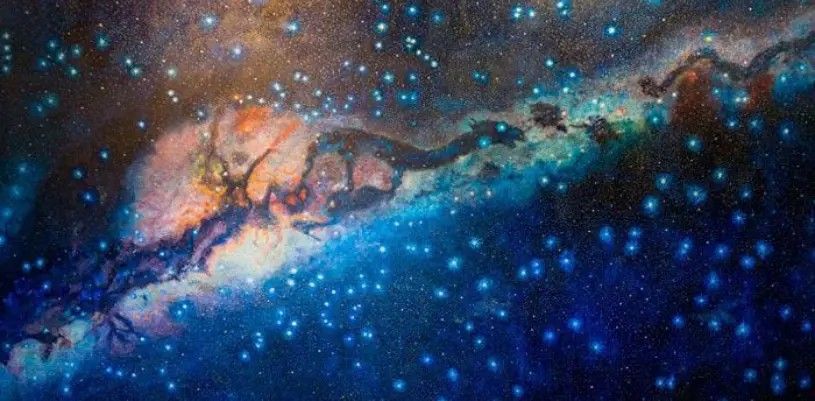
The world is kawsay pacha, a living cosmos infused with vital energy that flows through everything. This vision invites us to awaken from the illusion of separation and to perceive matter as sacred, as light condensed into form.

The Atom of Life

In Andean philosophy, Kawsay is the essence that animates all existence. It is the vibrational energy that moves between worlds, connecting the visible and invisible.

The Andean peoples never viewed the material world as inert or profane; instead, they saw it as spirit crystallized. Every atom, every rock, and every leaf contains intelligence, for all participate in the great dance of life-force.

This understanding dissolves the dualism that Western thought often sustains between “spiritual” and “material.” In the Andes, the sacred is not found beyond the Earth, but within her.

The Pachamama herself is a conscious being, not a metaphor or symbol, but a living presence whose body we inhabit and with whom we exchange energy through ayni, sacred reciprocity.

When Light Becomes Matter

Modern physics tells us that all matter is composed of energy vibrating at different frequencies.

This insight mirrors the ancient Andean knowing that light and form are inseparable. To the Inca mystics, the world we see is light slowed down, spirit clothed in texture and color. The visible and invisible are two sides of the same current of Kawsay.

The Andean priest-healers, or paqos, perceive this directly. During ceremonies, they communicate with mountains, stars, and stones not as symbolic archetypes but as beings of consciousness. Their luminous perception allows them to see the energy body of the world, where every material element emits its own radiance. What seems like solid matter is in truth a woven fabric of light.

The Conscious Atom

Living in alignment with this vision requires reverent attention. The Andean path invites practitioners to see the divine not as distant but as immanent, present in every gesture, relationship, and object. The act of drinking water becomes a communion with Yaku Mama. Walking the mountains becomes a dialogue with the Apus, and breathing becomes an offering of Sami, refined energy.

This way of perceiving transforms how one moves through life. When the healer greets a stone or a plant, it is not a poetic act, it is an exchange of consciousness. Through such practices, one learns to sense the luminous essence of all beings and to recognize the hidden harmony that binds all forms of existence.

Healing Through the Light of Matter

The Andean path of healing is not about escaping matter but illuminating it. When a person feels heavy, burdened, or disconnected, the paqo does not see them as “sick,” but as out of harmony with the flow of Kawsay. Healing means re-establishing the current of energy between the individual and the cosmos. The goal is not transcendence, but integration, allowing the light within the body and the light within the Earth to resonate again.

Through despacho offerings, sami breathing, and connection to the four directions, practitioners participate in the process of returning energy to balance. In doing so, they help matter remember its luminosity, for even the densest stone carries the seed of light within it.

The Awakened Atom

To see spirit in every atom is to return to right relationship with the world. It is to remember that our bodies are made of the same elements as stars, rivers, and mountains. The Andean path teaches that we are not separate observers of creation; we are threads in its living tapestry.

When perception is purified, the material world becomes transparent, revealing the divine light that pulses through all forms. This is the true meaning of illumination, not the escape from matter, but the revelation of its holiness.


References

  • Apaza, J. (2018). Kawsay: The Living Energy of the Andes. Cusco: Q’ero Foundation.
  • Herrera, M. (2016). Andean Cosmology and the Luminous Worldview. Lima: Editorial Pachatusan.
  • Allen, C. (2002). The Hold Life Has: Coca and Cultural Identity in an Andean Community. Smithsonian Institution Press.
  • Maclean, K. (2019). The Ayni Way: Reciprocity and Energy in Andean Spiritual Practice. Inca Medicine School Archives.

From Duality to Complementarity

Posted on

In the heart of the Andes, complementarity is not achieved by erasing differences, but by honoring them. The ancient wisdom of the Yanantin and Masintin teaches that opposites are not enemies, but sacred partners in the dance of creation.

This understanding lies at the core of the Andean worldview, a vision of the cosmos where everything exists in relationship, where harmony is not sameness but dynamic equilibrium.


The Origin of Duality in the Andean Mind

In many philosophical systems, duality is viewed as a conflict, light versus dark, male versus female, good versus evil. Yet in the Cosmovision Andina, duality is a creative tension, an interplay that sustains life itself. The Quechua word Yanantin comes from yana, meaning “pair” or “counterpart,” and -ntin, a suffix indicating unity or togetherness. Masintin, its complement, means “the one who mirrors or completes.”

Together, Yanantin-Masintin describe a living polarity, two forces distinct but interdependent, continuously moving toward reconciliation. As the anthropologist Catherine Allen (2002) notes, Andean thought “does not strive to resolve opposites but to maintain them in fruitful coexistence.”


The Universe as a Web of Complementarity

To the Andean mind, the universe is woven from relationships, not isolated entities. Mountains and rivers, sun and moon, masculine and feminine, all are expressions of a single living energy known as Kawsay. This energy flows through Ayni, the principle of reciprocity that governs all interactions.

Yanantin exists within Ayni: each pole gives and receives, supports and challenges the other. The farmer depends on the rain; the rain depends on the Earth’s breath; both depend on the human who honors them through ritual. In this way, balance is not static but rhythmic, a conversation between energies.

When this relationship is forgotten, imbalance and illness arise. Healing, therefore, is the art of restoring complementarity, within the self, between people, and between humanity and nature.


The Dance Within the Self

On a personal level, Yanantin-Masintin manifests as the union of inner opposites, reason and intuition, activity and rest, spirit and matter. In Western psychology, this mirrors the integration of the conscious and unconscious, or the animus and anima described by Carl Jung. Yet in the Andes, this union is not only psychological; it is energetic and sacred.

Every human carries both warm and cool energies, masculine (ch’unchu) and feminine (qhari-warmi). When these currents are in harmony, we experience coherence, clarity, and peace. When they are divided, we fall into confusion or fragmentation. The Andean priest, or Paqo, cultivates the ability to hold both, to become the space where opposites meet and transform into wholeness.

This inner work is not about control but about listening, allowing each energy to express its wisdom. The soft teaches the strong how to yield; the strong teaches the soft how to stand. Together, they generate the creative pulse that sustains life.


Nature’s Mirrors of Complementarity

The natural world constantly reveals the principles of Yanantin and Masintin.

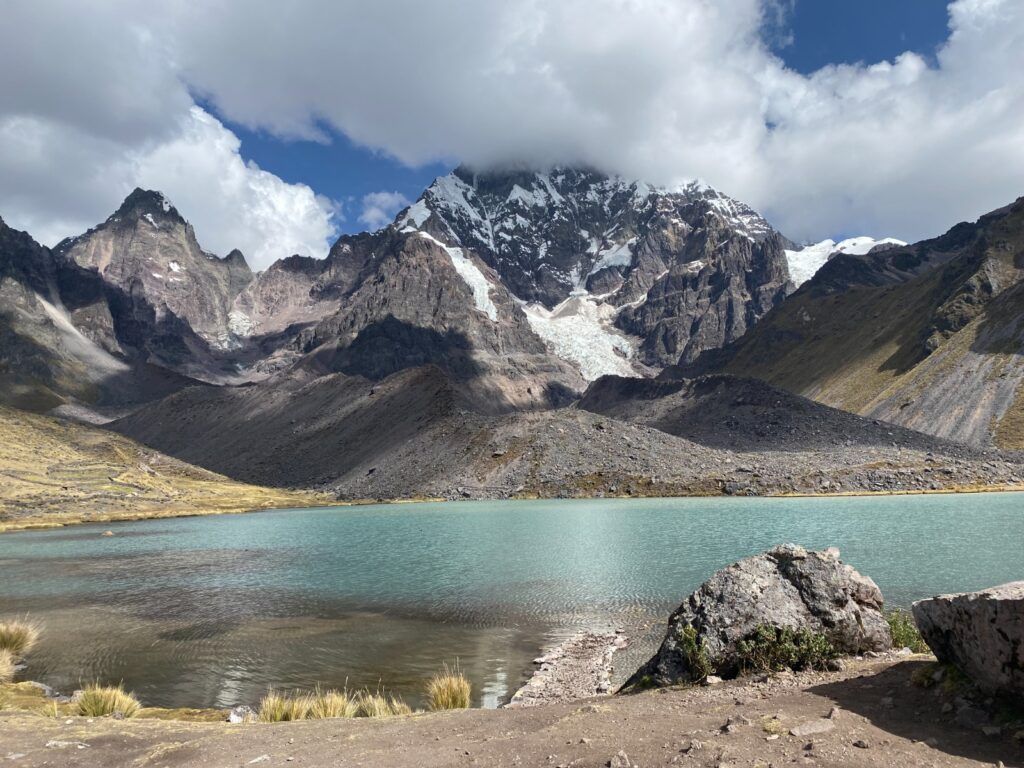
The mountain (Apu) stands firm, while the lake (Mama Qocha) reflects and receives.

The sun radiates light, the moon gathers and returns it. The condor soars in the upper world, while the serpent glides through the underworld — both necessary to maintain the balance of realms.

In Andean agriculture, this principle governs planting cycles: dry and wet seasons, seed and fruit, night and day. Farmers do not resist these rhythms; they align with them, honoring each phase as essential. To live according to Yanantin-Masintin is to understand that harmony is born from relationship, not control.


Complementarity Reflected in Nature

In Andean healing, imbalance is often seen as the result of separation, a break in reciprocity or mutual recognition.

A healer restores harmony by reuniting what was divided: the person and their lineage, the individual and the land, the mind and the body. Rituals such as the despacho offering embody this union, fire and earth, smoke and intention, prayer and material form, all dancing in sacred partnership.

The practitioner learns to become a bridge rather than a judge, to see the wound not as an enemy, but as a messenger of lost relationship. Through this lens, even illness becomes a teacher of complementarity, showing where love and awareness must return.


Beyond the Binary

In the Andean tradition, there is no final victory of light over darkness, both are necessary for life to exist. The goal is not to transcend duality, but to embody complementarity, to walk with awareness that every polarity is a gate to greater consciousness.

This wisdom offers a medicine for the modern world, where polarization has become epidemic. The Andes remind us that wholeness does not mean perfection; it means participation in the living dance of opposites. To be whole is to allow contrast, to embrace paradox, and to honor both the storm and the stillness it leaves behind.


The world was never meant to be divided. It was meant to be danced.


References

  • Allen, Catherine J. (2002). The Hold Life Has: Coca and Cultural Identity in an Andean Community. Smithsonian Institution Press.
  • Bastien, Joseph W. (1985). Mountain of the Condor: Metaphor and Ritual in an Andean Ayllu. Waveland Press.
  • Medrano, Ricardo. (2010). Cosmovisión Andina y Sabiduría Ancestral. Editorial San Marcos.
  • Inca Medicine School Teachings, oral tradition of Andean Paqos.

The Four Directions: Balance of the Wind

Posted on

In the high altitudes of the Andes, the wind is not merely movements of air, they are living intelligences that speak to the soul. The ancient peoples of Tawantinsuyu understood that to live in harmony with the cosmos meant to live in alignment with the Four Directions:

The Living Map of Energy

The Andean worldview, sees the universe as a web of living energy, Kawsay, that flows through all beings.

The Four Directions are not external points on a map, but currents of consciousness moving through the human body, the landscape, and the subtle worlds.

When one aligns with these winds, life becomes a dance of equilibrium: we stop moving in opposition to nature and begin moving with her.

Each direction corresponds not only to a physical space but also to an element, animal ally, and energetic principle. Together, they represent the wheel of transformation, from birth to death, from ignorance to wisdom, from separation to unity.


Chinchaysuyu – The North Wind: Power and Expansion

The North, or Chinchaysuyu, is the wind of courage, purpose, and mastery.

Its animal ally, the jaguar, teaches the strength of walking with integrity and presence. This is the energy of becoming who we truly are, powerful yet humble, aware of the responsibility that true strength carries.

Energetically, the North invites us to refine our personal power into service.

It whispers: “Use your gifts for the greater harmony of life.”

It is where the healer steps beyond ego to embody right action, known as Yanapayay, the act of helping without attachment. When we lose connection with the North, power turns into dominance; when we honor it, power becomes love in motion.


Antisuyu – The East Wind: Vision and Illumination

The East, or Antisuyu, greets the rising sun. It represents new beginnings, illumination, and clarity of purpose.

The condor soars here, carrying prayers between Kay Pacha and Hanan Pacha. The East teaches us to see from a higher perspective, to rise above confusion and glimpse the larger pattern of life.

Energetically, it activates Yachay, the wisdom of the higher mind. Through the East we learn to see with the heart, not only with the intellect. Its light awakens inner vision, the capacity to perceive the sacred design in everything. This is the wind that reminds us that every ending is a dawn in disguise.


Qollasuyu – The South Wind: Healing and Trust

To the South, or Qollasuyu, belongs the serpent, symbol of transformation, grounding, and release. The South is the direction of healing, it teaches us to shed the past as the serpent sheds its skin. Its energy is soft yet powerful, calling us back to the wisdom of the body and the Earth.

The South corresponds to Munay, the energy of unconditional love. It teaches trust, not blind faith, but deep surrender to the intelligence of life.

When we breathe with the South wind, we let go of the old narratives that keep us small.

We remember that love is not sentiment, but a frequency that restores wholeness. This is the wind of forgiveness, gratitude, and belonging.


Kuntisuyu – The West Wind: Death and Renewal

The West, or Kuntisuyu, is the domain of the puma, guardian of endings and beginnings. Here we meet the mystery of death, not as loss, but as transformation. The setting sun invites us to turn inward, to confront the shadows we avoid. The West teaches that death is a sacred passage: every cycle must close for another to begin.

Energetically, this direction relates to Llankay, the principle of sacred action through service. It asks us to align our deeds with spirit and to honor impermanence. The West reminds us that letting go is not weakness; it is the act that allows light to return. Through surrender, we become reborn into greater clarity and purpose.


The Center: The Heart as Axis Mundi

In Andean cosmology, the center, the point where all directions meet, is the heart, or Sonqo. When we are centered in the heart, we are aligned with all winds simultaneously. The Andean priest, or Paqo, stands in this place of stillness, becoming a bridge between worlds. The heart transforms knowledge into wisdom, power into compassion, and action into sacred offering.

When we lose direction, we feel fragmented. When we remember the winds, we rediscover our belonging within the great circle of life. To live in balance with the winds of the Andes is to live as a child of Pachamama, humble, awake, and in love with the mystery of being alive.


References

  • Allen, Catherine J. (2002). The Hold Life Has: Coca and Cultural Identity in an Andean Community. Smithsonian Institution Press.
  • Bastien, Joseph W. (1985). Mountain of the Condor: Metaphor and Ritual in an Andean Ayllu. Waveland Press.
  • Medrano, Ricardo. (2010). Cosmovisión Andina y Sabiduría Ancestral. Editorial San Marcos.
  • Inca Medicine School Teachings, oral tradition of Andean Paqos.

Awakening the Inner Sun

Posted on

Beyond myth and ceremony, the Andean tradition also recognizes the Inner Sun, the sun within the heart. Every person carries a spark of divine radiance, known as Inti Ñawi which represents consciousness, clarity, and awakening.

To live in alignment with Inti is to walk in light, to act with integrity, to radiate warmth, and to honor the cycles of transformation that mirror the sun’s path from dawn to dusk.

The Inner Sun

Even today, Andean healers invoke Inti during ceremonies to illuminate heavy energies (hucha) and restore Kawsay in those seeking healing. In this way, Inti continues to shine through the human spirit, guiding those who walk the path of Munay.

In the Andean world, Inti, is far more than a celestial being. He is the living heart of the cosmos, the ever-present witness to life’s dance between light and shadow.

His warmth nourishes Pachamama, awakens the crops, and sustains the rhythm of existence.

Yet, beyond myth and ceremony, the Andean tradition also speaks of the Inner Sun, the radiant sun within the human heart.


The Eye of the Sun: Inti Ñawi and the Light of Consciousness

According to ancestral teachings, every person carries within them a spark of divine luminosity, known as Inti Ñawi, the Eye of the Sun. This is not a physical eye, but a center of perception, the point where Kawsay becomes self-aware.

To awaken Inti Ñawi is to open the inner vision that sees beyond duality and illusion. It is to remember one’s essence as a luminous being journeying through the cycles of day and night, ignorance and awakening.

In Andean cosmology, consciousness itself is light. When the Inner Inti shines clearly, it dispels confusion and fragmentation, guiding the individual back to wholeness.

One begins to recognize the self not as separate, but as a reflection of the cosmic sun, radiant, connected, and purposeful (Allen, 2002).


Walking in Light: Living in Ayni with the Inner Sun

To live in alignment with the Inner Inti is to walk in light. This path is expressed through the ethics of Ayni, the sacred reciprocity that governs all life. Just as the sun gives without asking, the awakened heart acts through Munay, unconditional love, radiating warmth, truth, and integrity in every gesture.

“Father Sun, my Father,”

The person who embodies the solar essence becomes a carrier of light, illuminating others through compassion and clarity.
Yet this path is not about avoiding darkness. Like Inti, who descends into the underworld each night, we too must honor our inner dusk, the moments of grief, confusion, or loss. These passages through shadow are not punishments, but initiations into deeper wisdom. The Inner Sun does not destroy darkness; it transforms it into consciousness.


The Healing Power of Inti: Illumination and Renewal

In contemporary Andean healing, Altomisayocs and Paqos still invoke Inti to illuminate hucha the dense energies that obscure the natural flow of Kawsay.

Through sacred breathwork, despacho offerings, and solar invocation, the healer calls upon Inti’s light to restore balance and harmony within the individual.

This process is both energetic and psychological: illumination becomes a return toclarity, vitality, and self-remembrance.

When one’s Inner Sun is awakened, life begins to flow again in the rhythm of Sumak Kawsay, the state of harmonious and radiant being (Bastien, 1985).


The Path of Munay: Becoming a Living Sun

Ultimately, the awakening of the Inner Inti is the flowering of Munay, the sacred love that arises from a heart aligned with truth. To live from Munay is to become a living sun, a being whose presence nourishes and enlightens others simply through being.

Every act of kindness, every breath of gratitude, becomes an offering to Pachamama and the cosmos. The Andean initiate understands that the dawn is not outside of us, it rises from within each time we choose awareness, compassion, and courage.

As the elders say:

“Wherever the Sun walks, the heart must follow.”


References

  • Allen, Catherine J. (2002). The Hold Life Has: Coca and Cultural Identity in an Andean Community. Smithsonian Institution Press.
  • Bastien, Joseph. (1985). Mountain of the Condor: Metaphor and Ritual in an Andean Ayllu. Waveland Press.